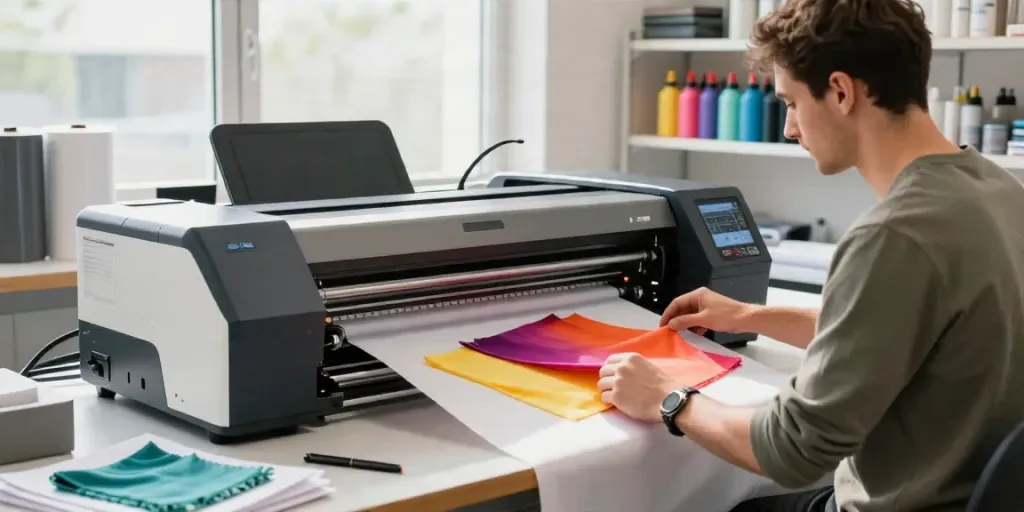
Understanding DTF Printing Technology
DTF printing, or Direct-to-Film printing, is a revolutionary method that has gained significant traction in the textile printing industry in recent years. Leveraging advanced technology, it enables the transfer of intricate designs onto a wide range of fabrics, including cotton, polyester, spandex, and even denim. By utilizing special inks and a PET film, DTF printing achieves high-quality prints that are both vibrant and durable. As businesses look to enhance their product offerings, understanding the nuances and benefits of DTF printing is essential. Notably, when exploring options, imprimante dtf france provides comprehensive insights into the best printers on the market.
What is DTF Printing?
DTF printing involves printing designs onto a special film, which is then transferred to the fabric using heat and pressure. This method simplifies the printing process and offers flexibility in terms of fabric choice and design complexity. DTF printers can produce vibrant colors and fine details, making them ideal for custom apparel where quality is paramount.
How DTF Differs from DTG Printing?
While both DTF and DTG (Direct-to-Garment) printing serve to transfer designs onto fabric, they function differently. DTF printing utilizes a film intermediary, which can be stored and used later, whereas DTG printing requires direct printing onto the garment itself. This makes DTF more versatile, especially for small runs and multi-color designs.
Furthermore, DTF printing is generally more cost-effective for businesses, particularly smaller enterprises, as it allows for a wider variety of fabrics and does not require pre-treatment like DTG. This can significantly reduce setup times and costs, making DTF appealing for both established businesses and startups in the custom apparel sector.
Key Components of DTF Printers
A DTF printer typically consists of the following main components:
- Printer head: This is crucial for ensuring the precision of ink application.
- DTF film: A PET film on which designs are printed before transfer.
- DTF ink: Specialized inks that maintain vibrancy and adherence to various fabrics.
- Powder adhesive: Used to help transfer the ink from the film to the fabric.
- Heat press: Essential for applying heat and pressure needed for the transfer process.
Advantages of Using an imprimante dtf france
The rise in popularity of DTF printers can be attributed to their numerous advantages, especially among members of the custom apparel business community. From flexibility to print quality, DTF printing provides an array of benefits that empower creators to enhance their business offerings.
Versatility Across Fabric Types
One of the most compelling advantages of DTF printing is its exceptional versatility. Unlike traditional methods that may be limited to specific fabrics, DTF printers can print on an extensive range of materials, including:
- Cotton
- Polyester
- Blend fabrics (cotton-polyester)
- Spandex
- Nylon
- Denim
- Canvas and more
This ability to work with various fabrics enables businesses to cater to a wider audience and meet diverse customer needs, thus expanding market opportunities.
Cost-Effectiveness for Small Businesses
For small businesses and startups, managing operational costs is critical. DTF printing helps in this regard, as it often requires lower initial investments compared to other printing methods like DTG or screen printing. By minimizing the need for pre-treatment and allowing for quick setup, DTF printers enable businesses to produce high-quality items without breaking the bank.
High-Quality Outputs and Durability
DTF printing produces bright colors and fine details that stand up to the rigors of wear and washing. The ink used is designed to bond effectively with the fabric, ensuring that the prints last longer without fading or cracking. This durability translates into greater customer satisfaction and repeat business, which is vital for long-term success.
Getting Started with DTF Printing
Embarking on a DTF printing journey requires careful consideration and planning. From selecting the right printer to understanding essential supplies, creating a successful DTF printing setup involves knowledge and foresight.
Selecting the Right DTF Printer
Choosing the appropriate DTF printer is crucial for maximizing your investment. Factors to consider include:
- Print size capacity
- Printer speed and efficiency
- Color quality and resolution
- Support for multiple fabric types
- Brand reputation and customer service
By thoroughly researching different models available in the market, including those listed by imprimante dtf france, you can find the right fit for your specific business needs.
Essential Supplies and Setup
Alongside your DTF printer, you’ll need various supplies to ensure smooth operation:
- DTF film
- DTF ink
- Adhesive powder
- Heat press machine
- Protective sheets (if necessary)
Setting up your workspace effectively is also vital. Ensure you have sufficient ventilation and adequate space to operate the printer and heat press safely.
Common Challenges and Solutions
While DTF printing offers many benefits, there can be challenges, such as:
- Ink clogging: Regular cleaning and maintenance of the printer head can prevent this issue.
- Poor adhesion: Ensure that the right amount of adhesive powder is used, and that pressing conditions are appropriate.
- Color inconsistencies: Calibrate the printer settings and conduct test prints to check for accuracy.
By addressing these common issues proactively, you can maintain high-quality output and operational efficiency in your DTF printing endeavors.
Best Practices for DTF Printing Success
To achieve optimal results with DTF printing, it's essential to implement best practices that enhance both quality and efficiency.
Optimizing Artwork for DTF Transfers
Preparation is key when it comes to artwork. Ensure that your designs are:
- High-resolution (300 DPI recommended)
- Color-accurate with proper color profiles
- Appropriately sized for the intended garment
Fine-tuning your artwork layout before printing can save time and resources while yielding better results.
Maintenance Tips for DTF Printers
Regular maintenance prolongs the life of your DTF printer and ensures consistent output quality. Key maintenance steps include:
- Cleaning print heads regularly
- Running maintenance cycles as recommended by the manufacturer
- Replacing parts as needed (e.g., rollers, nozzles)
Establishing a routine maintenance schedule can help you avoid unexpected downtime and maintain high print quality.
Ensuring Color Accuracy and Consistency
Color accuracy is crucial, particularly in custom apparel. Use the following techniques to ensure consistency:
- Monitor color settings and calibrate your printer environment
- Conduct test prints to compare actual results with digital designs
- Utilize color profiles specific to your DTF printer and ink type
Investing time in color management not only enhances the quality of your prints but also boosts customer satisfaction.
Future Trends in DTF Printing for 2026
The DTF printing landscape is evolving rapidly, and staying informed about future trends is essential for any business looking to thrive in this space.
Technological Innovations on the Horizon
As the demand for personalized apparel continues to rise, manufacturers are working on innovative technologies that enhance printer capabilities, such as:
- Advanced ink formulations for improved vibrancy
- Automated features to streamline operations
- Increased print speeds without sacrificing quality
These advancements will likely make DTF printing even more accessible and efficient for small to medium-sized enterprises.
Sustainability Practices in DTF Printing
With growing concerns about environmental impact, DTF printing is also moving towards more sustainable practices. These may include:
- Utilization of eco-friendly inks
- Minimizing waste during the printing process
- Recycling programs for used DTF materials
Adopting sustainable practices not only helps the environment but also appeals to eco-conscious consumers.
Expanding Market Opportunities for Custom Apparel
The rise of direct-to-consumer retail models has opened new avenues for custom apparel businesses. DTF printing, with its efficiency and versatility, enables businesses to tap into expanding markets, such as:
- Event merchandise
- Corporate branding
- Personalized gifts
- Fashion collaborations
Companies that effectively leverage DTF technology can position themselves advantageously in this burgeoning market.
What is the average cost of a DTF printer?
The cost of a DTF printer can vary significantly depending on the model, brand, and features. Entry-level printers suitable for small businesses often start around €1,000, while high-end commercial models can exceed €5,000. It is crucial to assess your business needs and budget before investing in a printer.
Where to buy the best DTF printers in France?
Numerous suppliers in France specialize in DTF printing equipment, including online retailers, specialized printing suppliers, and local distributors. Researching reviews and comparing prices can help ensure you get the best value for your investment.
Why choose DTF printing over other methods?
DTF printing offers a unique combination of flexibility, cost-effectiveness, and high-quality output. It outperforms other methods like DTG and screen printing in terms of fabric compatibility, production efficiency, and overall print durability, making it a preferred choice among custom apparel makers.
What materials are suitable for DTF printing?
As mentioned earlier, DTF printing can be used on various materials, ranging from cotton and polyester to blends, spandex, and more. This adaptability allows businesses to expand their offerings and cater to diverse customer preferences.
How to achieve the best results with DTF printing?
To maximize the quality of your DTF prints, focus on using high-quality inks, maintaining your printer regularly, and optimizing your artwork. Having the right tools and best practices in place will ensure that you consistently produce stunning prints that meet customer expectations.